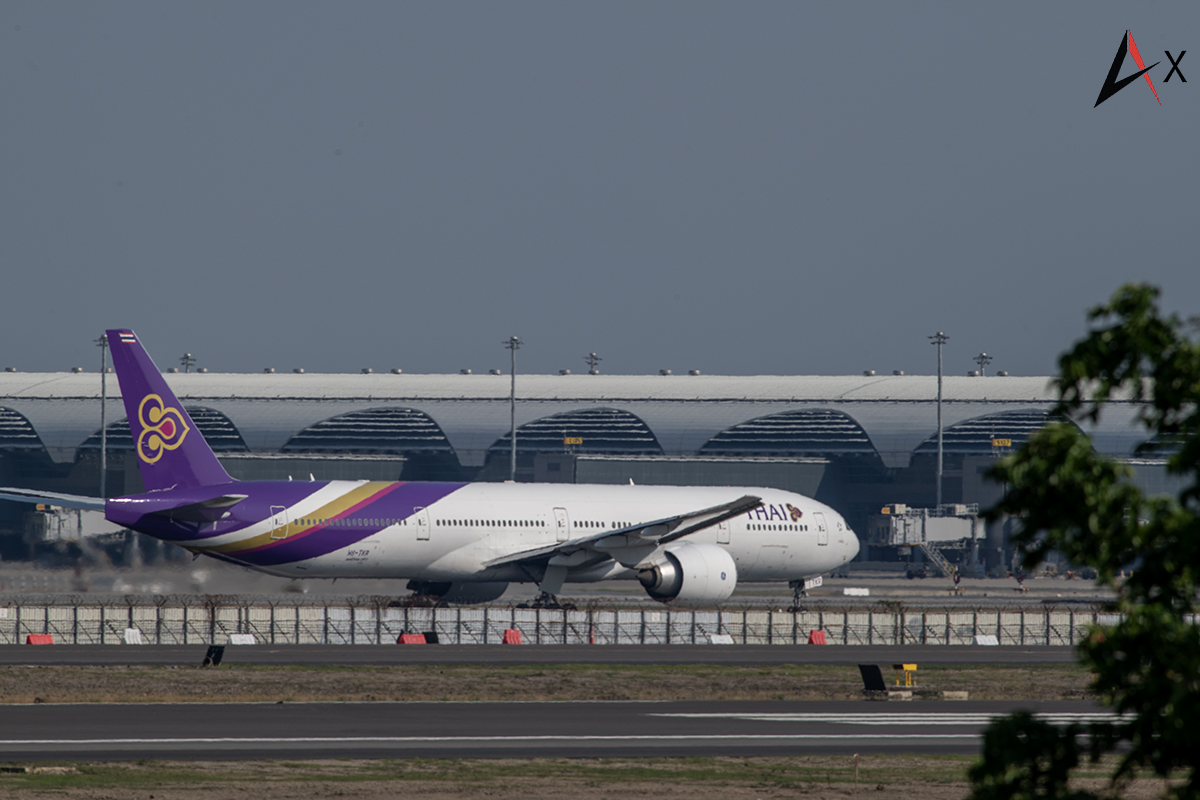
Thai Airways Regional Expansion: Competing with Thai Vietjet Air
The aviation landscape in Southeast Asia is dynamic, fiercely competitive, and constantly evolving. In this high-stakes environment, national flag carriers like Thai Airways are continuously seeking strategic avenues for growth and sustained relevance. A pivotal element of this strategy is a renewed focus on regional expansion, a critical component of Thai Airways' broader `thai airways netzwerkerweiterung` (network expansion). This move positions the airline directly against established low-cost carriers (LCCs) such as Thai Vietjet Air, necessitating a careful balancing act between heritage service and market competitiveness.
The post-pandemic recovery has highlighted a strong resurgence in regional travel demand, both domestically within Thailand and across neighboring countries. For Thai Airways, this represents not just an opportunity but a strategic imperative to reclaim market share, solidify its position as a major player in the ASEAN region, and build feeder traffic for its lucrative long-haul routes. The challenge, however, lies in outmaneuvering agile and cost-efficient competitors that have carved out significant niches in this segment.
The Strategic Imperative for Thai Airways' Regional Expansion
The decision by Thai Airways to significantly bolster its regional network is driven by a confluence of factors. Firstly, the robust recovery of tourism within Thailand and across Southeast Asia has created immense demand for short-to-medium haul flights. Many travelers, particularly within Asia, prioritize convenience and frequency for regional trips, often connecting major cities with secondary destinations. This trend makes a focused `thai airways netzwerkerweiterung` a logical step for capturing this burgeoning market.
Secondly, regional routes serve as vital feeders for Thai Airways' international network. By increasing connectivity to destinations like Chiang Mai, Phuket, Kuala Lumpur, Singapore, and Ho Chi Minh City, Thai Airways can more effectively channel passengers onto its global flights, optimizing load factors and enhancing overall network profitability. This synergy is crucial for maintaining the viability of its long-haul operations, including those featuring premium services like the 777-300ER First Class, as discussed in
Thai Airways Network Growth: Leveraging 777-300ER First Class. Without a strong regional base, the ability to fill these longer routes diminishes.
Furthermore, economic diversification and the rise of business travel within ASEAN are creating new demand for reliable, full-service connections. While LCCs offer affordability, business travelers often value punctuality, comfort, and the amenities associated with a legacy carrier. Thai Airways aims to leverage its brand reputation and service quality to capture this segment, offering a differentiated product that stands apart from the no-frills model of its competitors. The `thai airways netzwerkerweiterung` is thus not merely about adding destinations, but about strategically positioning the airline to serve diverse passenger needs across the region.
Understanding the Competitor: Thai Vietjet Air's Strengths
To effectively compete, Thai Airways must meticulously understand the operational model and market appeal of airlines like Thai Vietjet Air. Thai Vietjet Air, a subsidiary of Vietnam's Vietjet Air, has established itself as a formidable force in the Thai and regional aviation markets through its classic low-cost carrier strategy.
Their strengths primarily revolve around:
- Aggressive Pricing: Thai Vietjet Air is known for its highly competitive fares, often achieved through dynamic pricing and frequent promotional campaigns. This directly appeals to budget-conscious travelers and those making spontaneous trips.
- High Frequency and Point-to-Point Routes: They operate a dense network of direct flights between cities, minimizing transit times and offering passengers more choices for departure times. Their focus is on getting passengers from A to B efficiently and cheaply, rather than facilitating complex connections.
- Streamlined Operations: With a largely uniform fleet (Airbus A320/A321 family), Thai Vietjet Air benefits from simplified maintenance, crew training, and inventory management, leading to lower operating costs.
- Digital-First Approach: Their booking experience, promotions, and customer service are heavily reliant on online platforms, making it easy for tech-savvy travelers to find and book flights quickly.
Thai Vietjet Air's success demonstrates that a significant portion of the regional market prioritizes cost and directness over ancillary services. For Thai Airways, this means that merely offering superior service might not be enough; a competitive base fare and convenient scheduling are also paramount for any successful `thai airways netzwerkerweiterung` into this contested space.
Thai Airways' Counter-Strategy: Leveraging Heritage and Adapting for Regional Dominance
In response to the strong presence of LCCs like Thai Vietjet Air, Thai Airways' regional expansion strategy must be multi-faceted, combining its inherent strengths with a willingness to adapt. The core of Thai Airways' value proposition lies in its identity as a full-service, premium airline, a characteristic that requires careful adaptation for the regional market without diluting its brand.
Full-Service Advantage: Thai Airways can differentiate itself by offering a superior overall passenger experience. This includes more generous baggage allowances, complimentary in-flight meals and beverages, comfortable seating, and access to airport lounges for premium passengers. For many travelers, especially those on business or longer regional journeys, these amenities hold significant value beyond the ticket price. The airline's renowned "Royal Orchid Service" can be a powerful draw, even on shorter hops, projecting an image of reliability and comfort that LCCs simply cannot match. Leveraging its long-standing brand reputation for safety and service excellence is a key asset in this `thai airways netzwerkerweiterung`.
Network Synergy and Connectivity: Unlike point-to-point LCCs, Thai Airways can offer seamless connections to its extensive international network. A passenger flying from, say, Udon Thani to Bangkok with Thai Airways can easily connect to an international flight to Europe or Australia, often on the same ticket and with integrated baggage handling. This is a significant advantage for travelers looking for convenience and integrated travel planning, connecting regional passengers to their global ambitions. While Thai Airways aims for a service standard comparable to
Thai Airways Network: Global Ambitions vs. Qatar Airways Standard on its international routes, even regional routes can benefit from this perception of global connectivity and quality.
Product Differentiation and Hybrid Models: To compete on price for certain segments, Thai Airways may need to explore a more flexible product offering. This could involve tiered fare structures, where passengers can choose to add ancillaries like baggage or meals as needed, mirroring some LCC flexibility while still offering a full-service option. Introducing smaller, more fuel-efficient aircraft on some regional routes could also help manage operational costs, making routes more viable. This dynamic approach ensures that the `thai airways netzwerkerweiterung` remains competitive across various price points without compromising its core service promise.
Operational Excellence: While LCCs thrive on low cost, Thai Airways can focus on reliability, punctuality, and excellent customer service. Minimized delays, efficient ground handling, and responsive customer support can build significant loyalty, particularly among frequent flyers who value their time and convenience.
Navigating Challenges and Unlocking Opportunities in Regional Skies
The path to regional dominance for Thai Airways is not without its hurdles. Successfully executing its `thai airways netzwerkerweiterung` requires careful navigation of both internal and external challenges, while simultaneously capitalizing on unique opportunities.
Challenges:
- Cost Structure: As a full-service airline, Thai Airways inherently carries higher operational costs compared to LCCs, ranging from employee wages and benefits to fleet complexity and airport charges. Matching LCC prices on every route is unsustainable without fundamental cost restructuring.
- Fleet Commonality: Maintaining a diverse fleet for regional and international routes can increase maintenance and training costs. Strategic decisions about regional aircraft types are crucial for efficiency.
- Market Perception: Passengers often associate Thai Airways with premium, long-haul travel. Shifting perception to also encompass competitive regional offerings without devaluing the brand requires sophisticated marketing and consistent service delivery.
- Dynamic Pricing: LCCs are masters of dynamic pricing and immediate promotional offers. Thai Airways needs to develop similar agility in its revenue management systems to compete effectively in real-time.
Opportunities:
- Underserved Routes: There are still regional routes, especially connecting secondary cities, where full-service options are limited or non-existent. Thai Airways can identify and establish these connections, offering a premium service where LCCs might not operate.
- Premium Economy Demand: As incomes rise, a growing segment of travelers seeks a middle ground between economy and business class. Introducing a strong premium economy product on regional jets could attract passengers willing to pay more for added comfort without the full business class price.
- Business Travel Recovery: With business travel steadily resuming, companies are looking for reliable and comfortable options for their employees. Thai Airways' brand, service, and loyalty programs are highly appealing to corporate clients.
- Loyalty Program Leverage: The Royal Orchid Plus frequent flyer program is a significant asset. Offering attractive redemption options and elite benefits on regional routes can incentivize repeat business and lock in customer loyalty.
- Codeshare Agreements: Strategic partnerships with other regional or international airlines can expand Thai Airways' reach without the need for its own aircraft on every route, optimizing the `thai airways netzwerkerweiterung` footprint.
For passengers, choosing between Thai Airways and Thai Vietjet Air often comes down to priorities. If cost is paramount and amenities are secondary, Thai Vietjet Air is a strong contender. However, if comfort, service, baggage allowance, lounge access, and seamless connections to an international network are valued, then Thai Airways, with its expanded regional offerings, becomes the preferred choice. It's advisable for travelers to compare not just base fares but also the total cost including baggage, seat selection, and any in-flight services.
Conclusion
Thai Airways' regional expansion is a strategic imperative for navigating the competitive Southeast Asian aviation market. By carefully executing its `thai airways netzwerkerweiterung`, the airline aims to leverage its brand heritage and full-service advantages to compete effectively with agile low-cost carriers like Thai Vietjet Air. This involves a delicate balance of maintaining premium service standards while adapting to market demands for competitive pricing and efficient point-to-point travel. Success in this endeavor will not only reclaim market share but also reinforce Thai Airways' position as a vital hub for regional and international travel, contributing significantly to Thailand's tourism and economic growth in the years to come. The future of Thai Airways hinges on its ability to evolve, innovate, and connect with a diverse range of passengers across the dynamic regional skies.